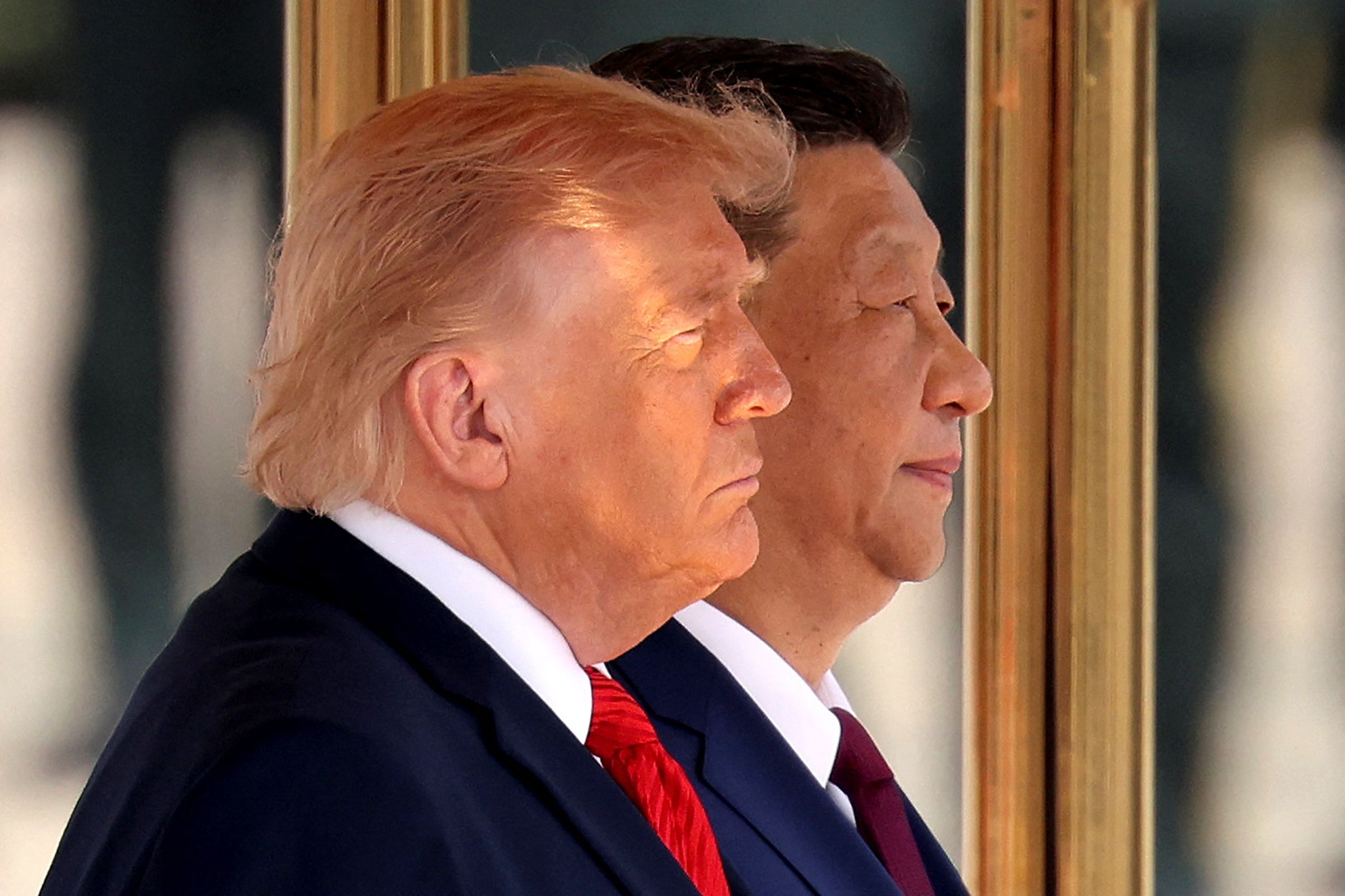
U.S. and China extend their trade truce to Jan. 10 —
the arrival ceremony produced no deal.
Treasury Secretary Scott Bessent said Wednesday, Sept. 23 that the United States and China agreed to extend their trade truce from Nov. 10, 2026 to Jan. 10, 2027. The original deal was reached in South Korea in 2025. Trump and Xi are scheduled to meet on Thursday, Sept. 24 to discuss trade, artificial intelligence, Taiwan, Iran and political prisoners.
The extension covers two months and was announced without a joint statement. Xi’s arrival at Joint Base Andrews was his first U.S. state visit since September 2015.
September 24, 2026 · Six stories, illustrated
- Nov. 10, 2026
previous truce deadline
- Jan. 10, 2027
new truce deadline
- South Korea, 2025
where the original deal was reached
- Thursday, Sept. 24
scheduled Trump-Xi private talks and state dinner
Treasury Secretary Scott Bessent said Wednesday, Sept. 23 that the U.S. and China agreed to extend their trade truce from Nov. 10, 2026 to Jan. 10, 2027. The original deal was reached in South Korea in 2025. Trump and Xi are scheduled to meet on Thursday, Sept. 24, but the arrival ceremony produced no agreement.
The arrival ceremony produced no agreement; the only announced deliverable was Bessent's oral two-month extension.
Read the reporting
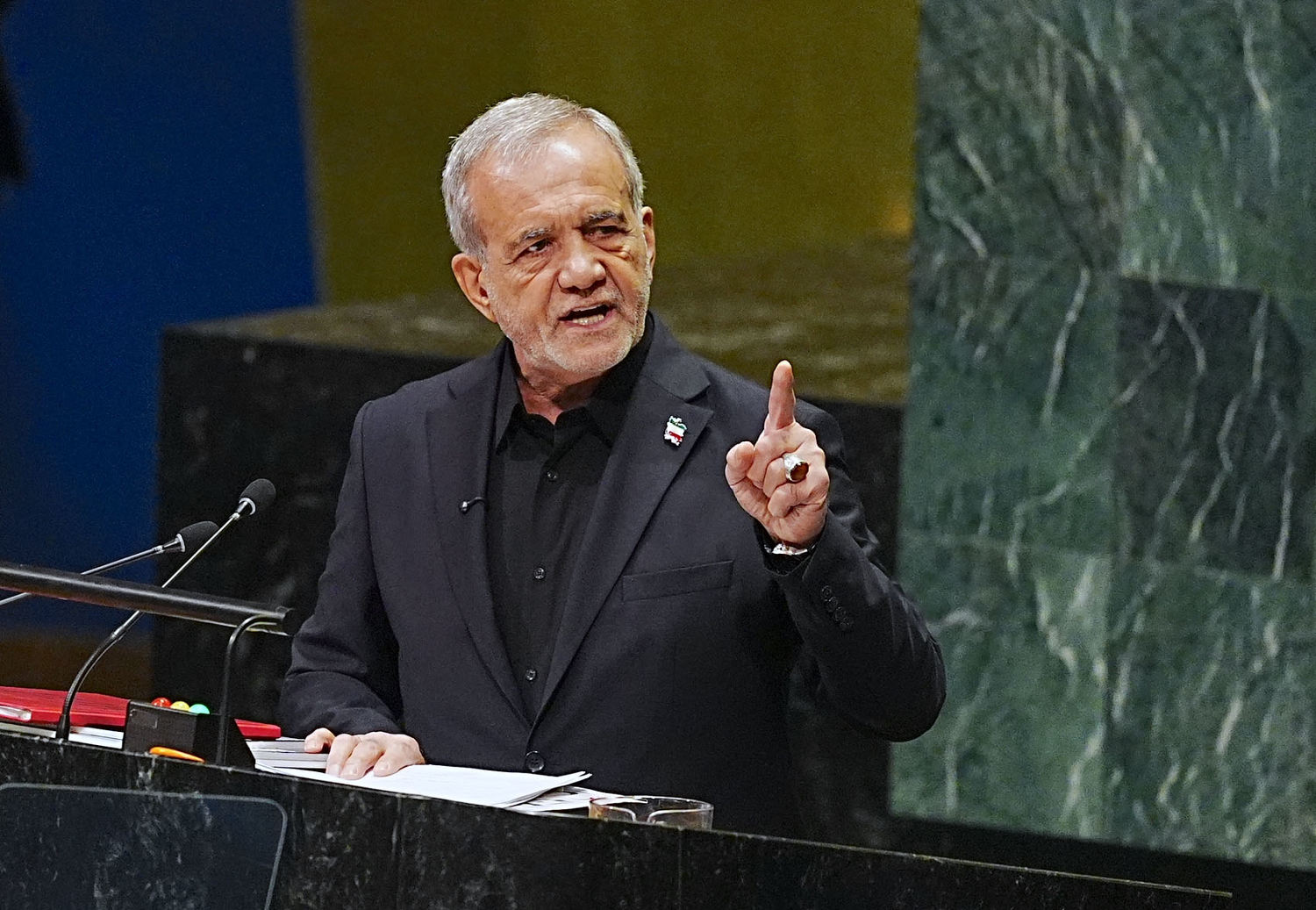
Iran offers talks but rejects nuclear limits —
the U.S. delegate walks out.
President Masoud Pezeshkian told the UN on Wednesday, Sept. 23 that Iran was open to talks but would not negotiate under threats. The sole US delegate left while children killed in the Minab school strike and of Ali Khamenei were shown. Trump had threatened to “annihilate the Islamic Republic” at the UN on Sept. 22.
Pezeshkian demanded an end to the US naval blockade and the reopening of the Strait of Hormuz. Trump said a deal was likely after November’s US congressional elections.
- Open to talks
but Iran will not negotiate under threats
- No nuclear limits
Pezeshkian rejects negotiating the nuclear program under pressure
- End the blockade
and reopen the Strait of Hormuz
- Sole US delegate
walked out during the speech
- Deal after November
is the earliest Trump sees a path
President Masoud Pezeshkian told the UN on Wednesday, Sept. 23 that Iran was open to talks but would not negotiate under threats. The sole US delegate left while children killed in the Minab school strike and of Ali Khamenei were shown. Before the war, the Strait of Hormuz carried one fifth of global oil and gas shipments; the blockade has kept the strait effectively closed since late February.
The U.S. blockade and Iranian attacks have kept the Strait of Hormuz effectively closed since late February; it carried one fifth of global oil and gas shipments before the war.
Read the reporting
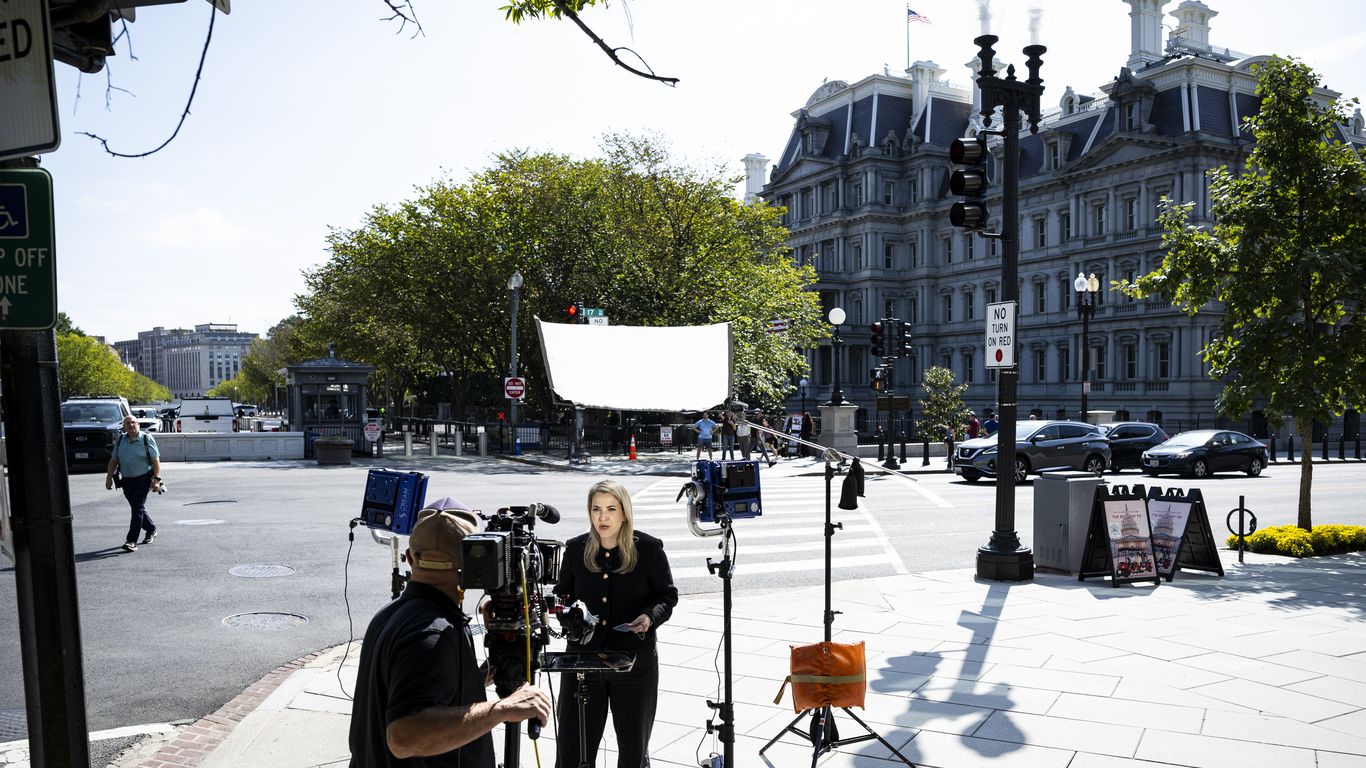
Judge Kelly ends the hearing without ruling —
78 credentialed journalists remain barred.
Judge Timothy Kelly ended the hearing Wednesday, Sept. 23, leaving CNN, MS NOW and Politico and 78 credentialed journalists without White House access. The Justice Department cited national security and said the decisions were not yet final.
The outlets have until Friday, Sept. 25, at 5 p.m. Eastern to contest the loss of access. The case draws on Sherrill v. Knight, 1977 and Karem v. Trump, 2020.
- Friday, Sept. 18
Trump announced the ban on CNN, MS NOW and Politico
- Saturday, Sept. 19
Reporters were denied entry at the White House gate
- Monday, Sept. 21
The outlets sued; the five-network pool suspended joint coverage
- Wednesday, Sept. 23
Judge Kelly ended the hearing without ruling
who pulled the passes
who sued to get them back
Judge Timothy Kelly ended the hearing Wednesday, Sept. 23 without ruling, leaving CNN, MS NOW and Politico and 78 credentialed journalists without access. The Justice Department cited national security and asked the judge to wait. The outlets have until Friday, Sept. 25, at 5 p.m. Eastern to contest.
Judge Kelly said the White House had not followed required procedures; the Justice Department argued the access decisions were not yet final.
Read the reporting

The White House denies a 90-day diesel export ban —
prices are still at a 19-month high.
Energy Secretary Chris Wright denied a reported 90-day diesel export ban and ruled out a complete halt. A policy announcement is expected later in the week. Average retail diesel hit $6.53 on Sept. 21, 2026, up from $3.49 on May 26, 2025.
Chris Wright warns that halting exports would strand diesel, force refineries to cut production and raise gasoline and jet fuel prices.
- $6.53
per gallon on Sept. 21, 2026
- $3.49
per gallon on May 26, 2025
- 90 days
the denied export-ban duration
- Later this week
expected policy announcement on supply
Energy Secretary Chris Wright denied a reported 90-day diesel export ban and ruled out a complete halt, saying a policy announcement would come later in the week. Average retail diesel hit $6.53 on Sept. 21, 2026, up from $3.49 on May 26, 2025. Congress ended crude export restrictions in December 2015.
Congress ended crude-oil export restrictions in December 2015; the current debate is about finished diesel, with refiners warning a halt would strand fuel and force cuts.
Read the reporting
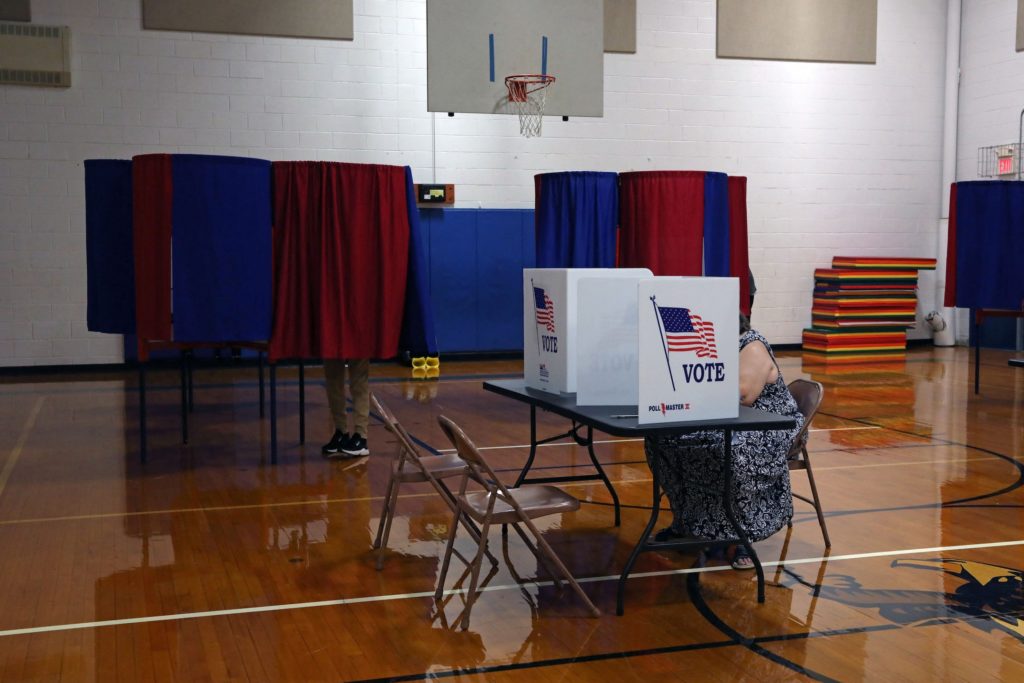
Democrats lead by 12 points in the Marist poll —
but it surveyed registered voters.
The PBS News/NPR/Marist poll of 1,280 registered voters finds Democrats at 53%and Republicans at 41% on the generic congressional ballot. 45% say their vote mainly opposes Trump, while 24% say it supports him.
The poll was conducted Sept. 14–15 and has a margin of error of ±3.8 percentage points.
- 53%
Democratic vote for Congress
- 41%
Republican vote for Congress
- 45%
say their vote mainly opposes Trump
- 24%
say their vote mainly supports Trump
The PBS News/NPR/Marist poll of 1,280 registered voters, conducted Sept. 14–15, finds Democrats at 53% and Republicans at 41% on the generic congressional ballot. 45% say their vote mainly opposes Trump, while 24% say it supports him. The margin of error is ±3.8 percentage points.
The poll surveyed 1,280 registered voters Sept. 14–15 with a margin of error of ±3.8 percentage points; it is a registered-voter sample, not a likely-voter model.
Read the reporting
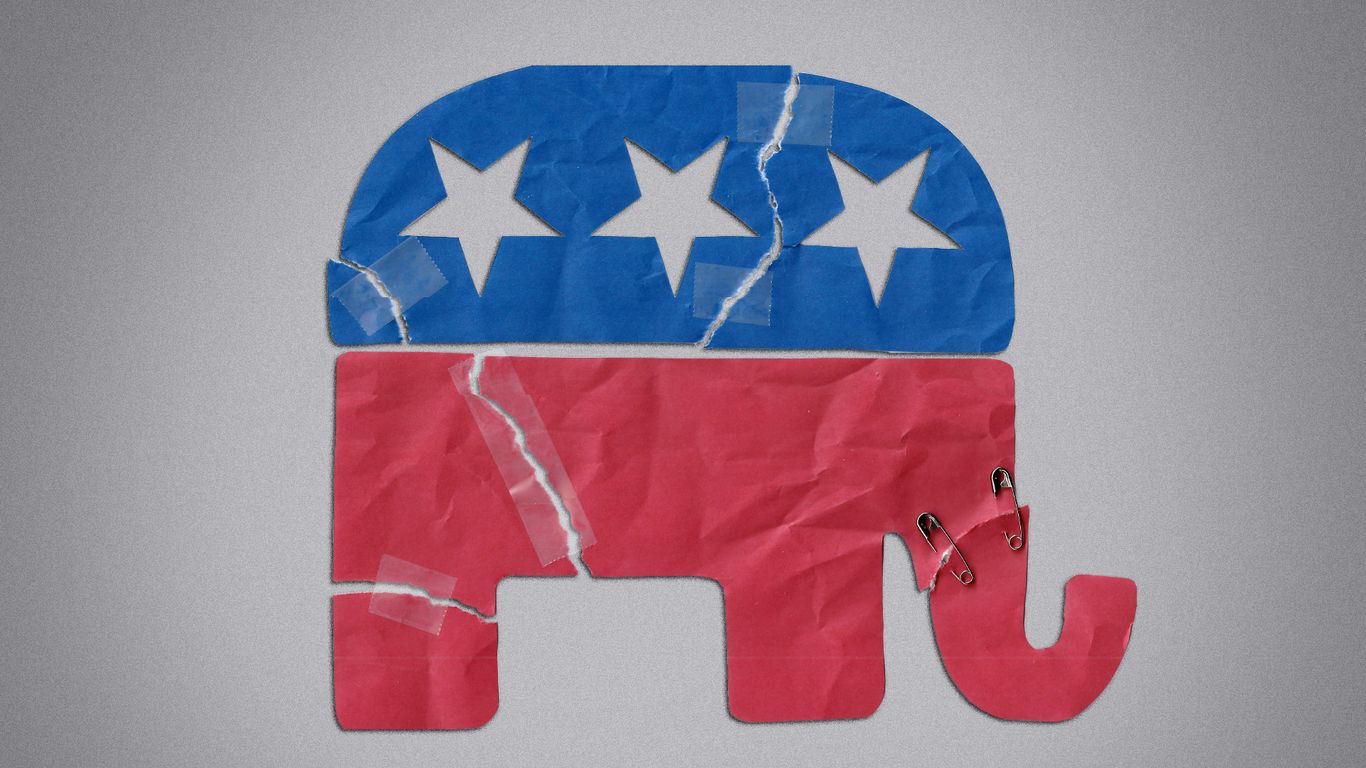
Republicans in three states scrub Trump from campaign materials —
as the Senate prepares another war-powers vote.
Republican candidates in Florida, Tennessee and Minnesota are removing Trump from campaign materials. The same day, The Senate was preparing another vote on Sept. 23 to limit Trump’s military action against Iran.
The change in campaign messaging comes as Republican candidates face a tightening midterm environment.
- Florida
gubernatorial candidates distancing from Trump
- Tennessee
candidates removing pro-Trump mentions
- Minnesota
Senate and governor hopefuls keeping Trump at arm's length
Republican candidates in Florida, Tennessee and Minnesota are acting to remove Trump from campaign materials. The same day, The Senate was preparing another vote on Sept. 23 to limit Trump’s military action against Iran.
The Senate was preparing another vote on Sept. 23 to limit Trump’s military action against Iran as the campaign materials were being changed.